







how much hair loss is normal? and why am I always shedding?
From seasonal shedding to postpartum hair loss and GLP-1 medications, here's what's normal—and what isn’t.
Few things are more unsettling than noticing more hair than usual in your brush, your shower drain, or tangled around your fingers after washing. Whether it seems to happen overnight or gradually over time, increased shedding can feel deeply personal—and often raises the same question: Is this normal? The answer is: often, yes.
The short answer: Hair shedding is a natural part of the hair-growth cycle, and most of us lose hair every single day without noticing. But our follicles don't exist in isolation. They're constantly responding to what's happening inside our bodies and with the world around us—from stress and hormonal changes to illness, nutrition, seasonal shifts, and environmental exposure.
That's why periods of increased shedding aren't necessarily a sign that something is wrong. They're often a reflection of what's happening beneath the surface.
At K18, we think about this through the lens of hair longevity. Hair aging isn't simply about getting older—it's about protecting the biological systems within the scalp and follicle that create healthy hair in the first place. Genetics certainly play a role, but everyday oxidative stress is one of the biggest drivers of premature hair aging, which can show up as increased shedding, early graying, and visible scalp aging.
Understanding what's normal—and what's not—is the first step. Let’s dive in.
why do we shed hair?
Every hair follicle continuously moves through its own growth cycle: First comes anagen, the active growth phase, followed by catagen, a short transition phase. Hair then enters telogen, the resting phase, before finally reaching exogen, when the old hair naturally sheds and a new growth cycle begins.
Because each follicle is on its own schedule, we're constantly shedding some hairs while others are actively growing. In a healthy scalp, most follicles are producing hair at any given time, while a much smaller percentage are resting. That balance is what keeps hair looking full over time.
so...how much shedding is actually normal?
“Most people naturally shed around 50–100 hairs each day as older hair fibers are released and new growth cycles prepare,” says Dr. Rachael Williams, K18 Senior Hair + Scalp Scientist. “The number of hair fibers shed can appear higher on wash days, after wearing hair up for several days, or in people with long or highly textured hair where shed fibers may have accumulated before being released together.”
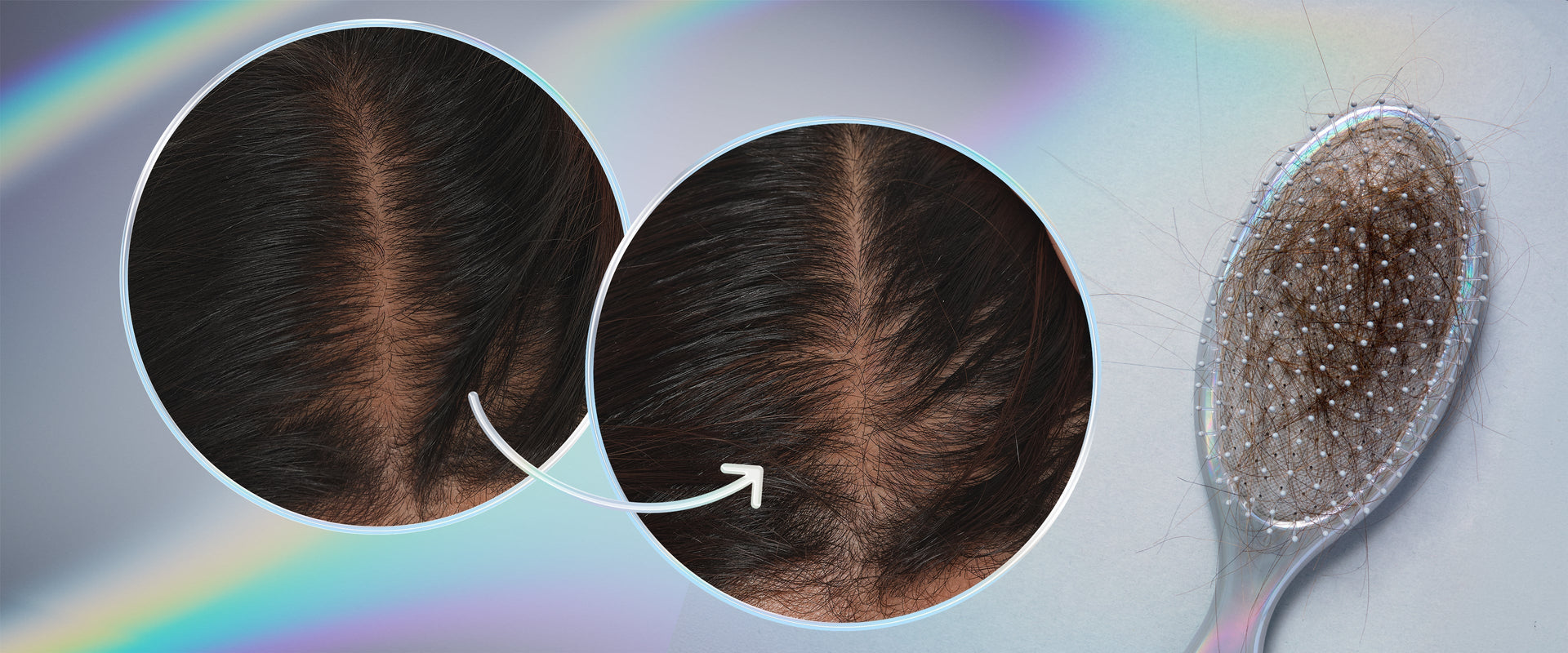
Normal shedding shouldn't cause noticeable thinning or progressive loss of density, so if you're seeing persistent increases in hair fall, your ponytail feels thinner, or your scalp is becoming more visible, something else may be influencing your hair cycle.
why does shedding suddenly increase?
Hair follicles are surprisingly sensitive to change. When the body experiences a major physiological shift, it can temporarily redirect its energy toward more essential functions–and hair growth, while important to us, it isn’t considered essential for survival.
As a result, more follicles may enter the resting phase simultaneously, before a period of shedding several months later. This process is known as telogen effluvium.
Common triggers include: childbirth (also known as postpartum shedding), major illness or surgery, emotional or physical stress, rapid weight loss, restrictive dieting, hormonal changes (including menopause), and certain medications, like GLP-1s.
One important detail to note is that shedding is often delayed by two to three months, so what might feel current is actually tied to something that happened weeks ago–which can make it difficult to connect back to the original trigger.
is seasonal shedding real?
If it feels like you're shedding more every fall—or sometimes in spring—you're not imagining it. Research suggests that human hair growth isn't completely constant throughout the year. Many studies have observed a larger proportion of hairs entering the resting phase during summer, which often leads to increased shedding in late summer and early autumn. Some researchers have also observed a smaller spring shedding peak, although this appears to vary between individuals.
Not everyone notices seasonal changes, but for many people, these fluctuations are a normal part of the hair cycle rather than a sign of permanent hair loss.
why are people talking about GLP-1 hair shedding?
As GLP-1 medications have become more widely used, increased hair shedding has become one of their most talked-about side effects. In fact, 48% of people taking GLP-1 medications report increased shedding, although the exact number varies depending on the study.
Current research suggests the medication itself isn't directly damaging the follicle. Instead, scientists believe the shedding is temporary and more likely linked to the rapid biological changes, aka weight loss and metabolic stress, that often accompany treatment.
why does postpartum hair loss happen?
Postpartum shedding follows a very similar pattern. During pregnancy, elevated hormone levels keep more hairs in their active growth phase, which is why many people notice thicker, fuller hair. After birth, however, hormone levels rapidly shift back to normal. The hairs that were "held onto" during pregnancy move into the resting phase together, often creating dramatic shedding around three months postpartum.
Although it can feel alarming, this is also generally a temporary process and a normal response to hormonal change.
when is shedding a sign of hair aging?
Not every increase in shedding is simply a temporary response. When shedding becomes persistent, is accompanied by finer strands, reduced density, or visible scalp changes, it may reflect a follicle system that's becoming less resilient over time–and one of the biggest contributors to this process is oxidative stress.
Every day, our scalp and follicles are exposed to oxidative stress from both inside and outside the body—including pollution, UV exposure, inflammation, chemical services, hormonal shifts, poor sleep, dietary changes, and psychological stress.
Over time, these exposures can influence how efficiently follicles function, disrupting the signals that regulate healthy growth cycles and making follicles more likely to spend time in the resting phase instead of actively producing hair.
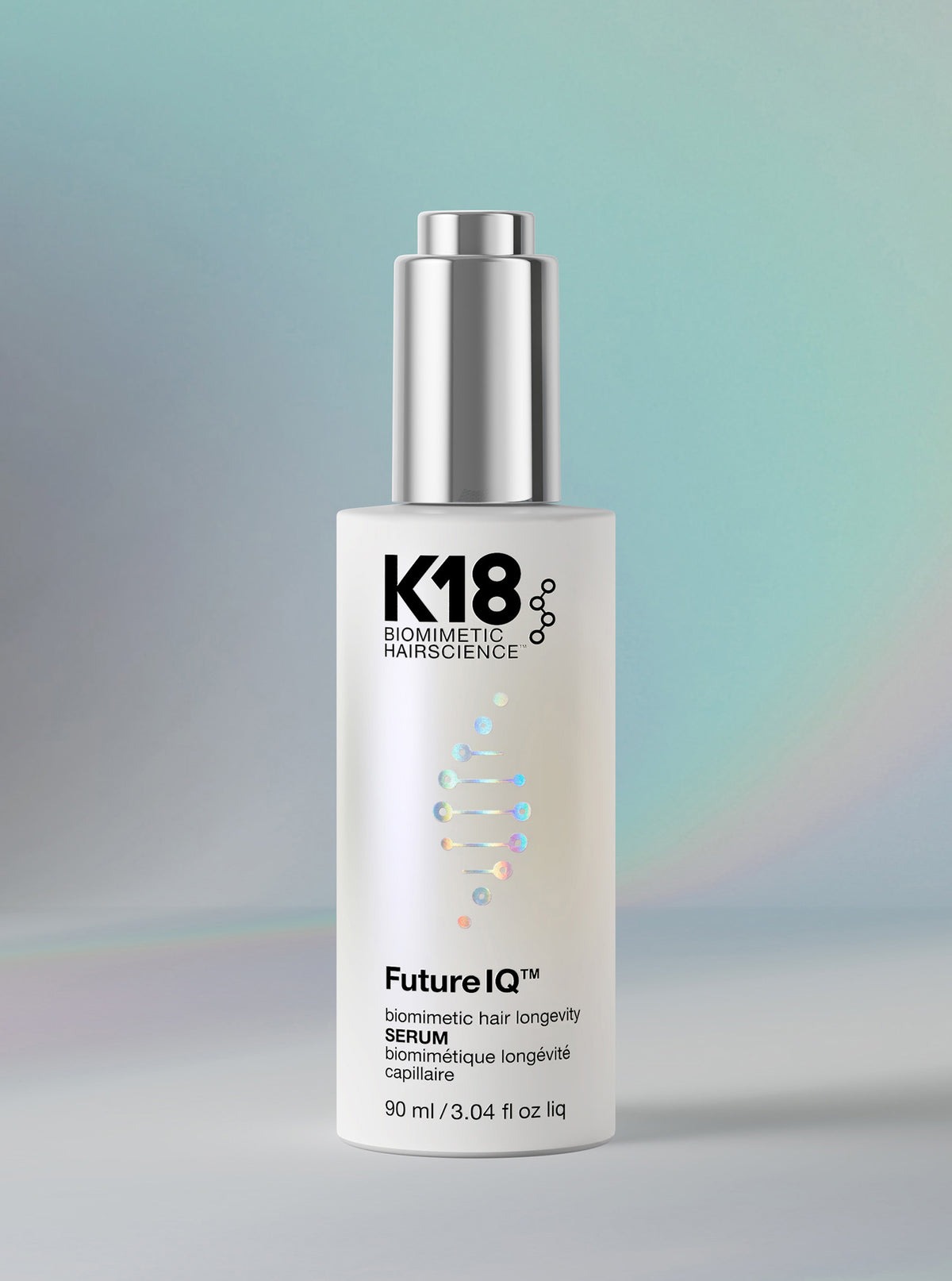
This is why Future IQ™ biomimetic hair longevity serum works beneath the surface. Rather than focusing only on the hair fiber after it emerges, a longevity-first approach supports the biological systems within the scalp and follicle that create healthy hair from the beginning.
can you treat shedding?
You can support the biology that keeps hair growing at its healthiest. Prioritizing scalp health, managing oxidative stress, and addressing triggers like nutritional changes, illness, or chronic stress can all help create a stronger environment for healthy hair over time.
That's the thinking behind FutureIQ™ biomimetic hair longevity serum. Powered by proprietary MultiVital™ technology, it's designed to support the biological systems behind hair longevity—helping to support scalp health, protect against oxidative stress, and reduce shedding, before the visible signs of premature hair aging take hold.