








what happens to your hair and scalp while you sleep?
Spoiler alert: a lot. We’re here with the full beauty rest breakdown.
Whether you realize it or not, hair is something we are thinking about, touching up, or fussing with all day long. But what happens to our hair when we are sleeping?
The short answer: While you're resting, your body shifts into repair mode, performing key biological processes that help to maintain healthy skin, scalp, and hair. Sleep is one of the body's most important periods of maintenance, and your hair needs it.
what is going on with your hair and scalp while you sleep?
Your hair and scalp experience totally different things at night than they do during the day. When the sun’s up, your scalp is constantly exposed to environmental stressors like UV radiation, pollution, temperature changes, and styling. And in turn, your body uses a lot of energy responding to these challenges.
At night, however, the focus shifts from protection to recovery. While the hair fibers you can see are no longer living tissues and cannot repair themselves, the scalp and hair follicles beneath the surface remain highly active. Fun fact: hair follicles are among the most biologically active structures in the body, so they require a constant supply of energy, cellular activity, and molecular signaling to produce healthy hair growth.
“Sleep is the time when the biological systems responsible for producing healthy hair are maintained and supported,” says Dr. Rachael Williams, K18 Senior Hair + Scalp Scientist. “Sleep is not simply about looking refreshed in the morning. It is part of the broader biological foundation that helps support healthy hair and scalp function over time.”
the science behind beauty sleep
The phrase "beauty sleep" may sound like a myth, but there's real biology behind it. Sleep is one of the body's most important periods of maintenance and restoration. While you’re snoozing, your body regulates hormone production, supports immune function, repairs damaged structures and tissues, and maintains normal cellular metabolism. Deep sleep is especially important because it’s associated with increased production of growth hormones, which support protein synthesis and tissue maintenance throughout the body.
At the same time, levels of melatonin increase. While melatonin is best known for regulating sleep cycles, it also plays a role in managing oxidative stress, helping the body restore balance after a day of environmental and metabolic challenges.
Think of sleep as your body's overnight maintenance window. During the day, your systems are busy responding to everything happening around you. At night, they can dedicate more resources to recovery and repair.
the biological processes happening while you sleep
Many of the systems that support healthy hair and scalp function are particularly active during sleep. This includes:
tissue repair and maintenance
Throughout the night, the body works to repair and maintain tissues. This includes the skin of your scalp, which serves as the foundation for healthy hair follicle function.
protein synthesis
Hair is primarily made of keratin, a structural protein. During deep sleep, increased growth hormone activity helps support protein synthesis throughout the body, contributing to the maintenance of the tissues involved in healthy hair production.
oxidative stress management
Every day, exposure to environmental factors and normal metabolic processes generate oxidative stress. The body relies on antioxidant defense systems to help manage this stress. During sleep, these systems work to restore balance and support long-term tissue health.
immune system regulation
The immune system and sleep are closely connected. Healthy immune function helps maintain a balanced scalp environment, which is important for overall scalp and follicle health.
hormonal regulation
Sleep also helps regulate the hormones involved in multiple biological processes. Since hair follicles are highly responsive to hormonal signals, maintaining healthy sleep habits supports the broader systems that help follicles to function optimally.
why your hair and scalp need sleep
Hair follicles never really sleep themselves or stop working. Producing a single strand of hair requires continuous cell division, energy production, and communication between cells.
While a follicle won't suddenly stop functioning after a poor night's sleep, chronic sleep disruption may place additional stress on the biological systems that support healthy hair growth. Over time, reduced sleep quality can affect hormonal balance, immune regulation, and oxidative stress management, creating a less supportive environment for optimal scalp and follicle function.
This is one reason why sleep is increasingly being discussed as part of a long-term approach to longevity, including the longevity of your scalp and hair. Healthy hair starts with a healthy scalp, and healthy scalp function depends on the body's ability to maintain and repair itself over time.
can sleep impact hair aging?
“Sleep and aging are closely connected, and chronic sleep disruption has been associated with increased oxidative stress, altered immune function and changes in normal tissue repair processes,” says Dr. Williams. “Many of these biological mechanisms are closely linked to scalp aging and follicle stress.”
Many of these same biological mechanisms are associated with scalp aging and follicle stress. While poor sleep is unlikely to be the sole cause of issues like premature greying or hair loss, it may contribute to a biological environment where signs of aging accumulate more quickly over time.
In other words, consistently getting enough quality sleep may help support the long-term health of both your scalp and your hair.
why are some hair and scalp products best used at night?
There's a reason many scalp care products are designed to become part of your PM routine.
At night, the scalp is exposed to fewer external factors that can interfere with product performance. There’s no UV exposure, less pollution, and typically no washing, styling, or sweating that might disrupt application.
This creates a longer, uninterrupted period for products to remain in contact with your scalp.
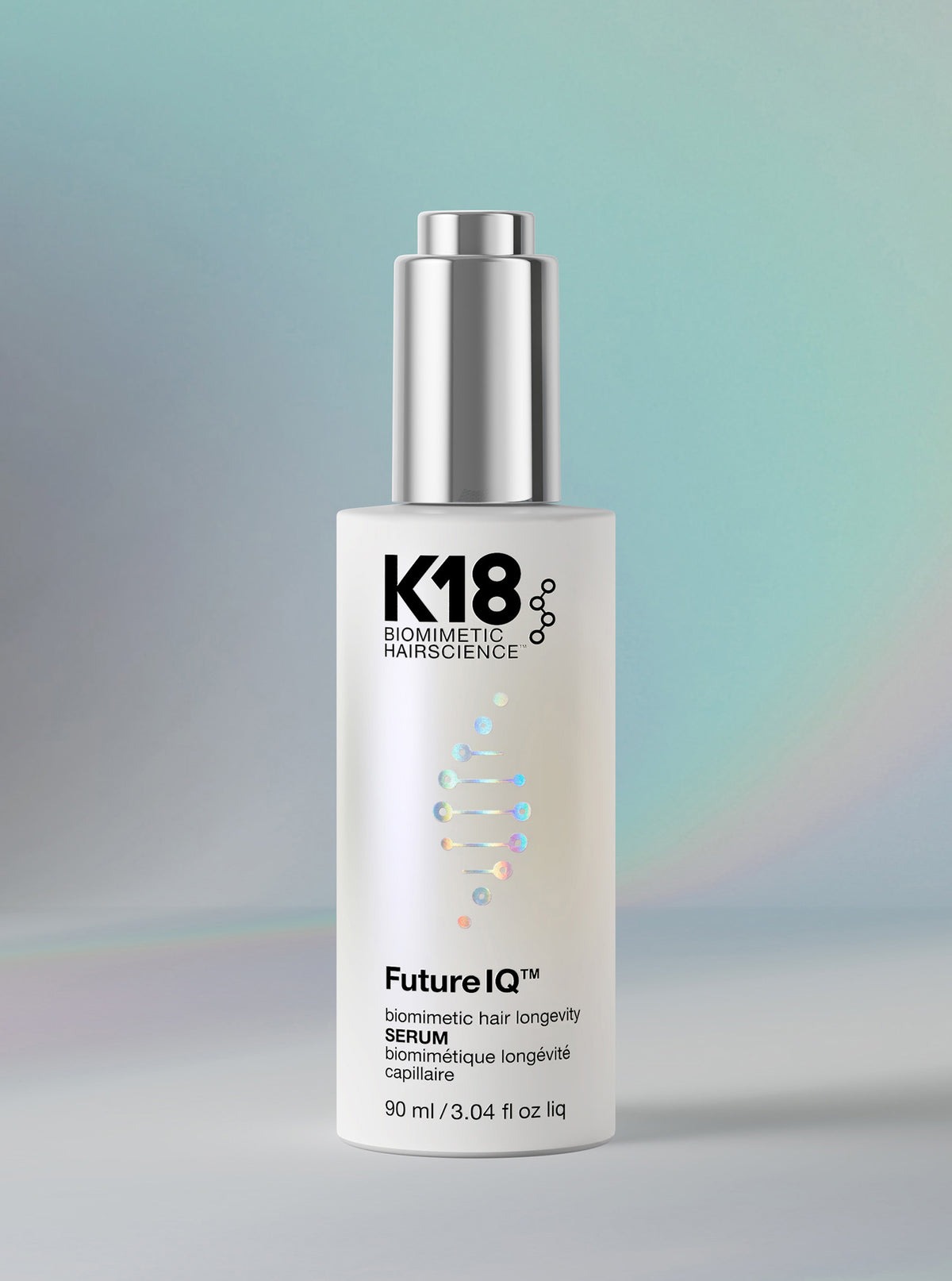
It also aligns with the body's natural recovery processes. As cellular maintenance, tissue support, and oxidative stress management all take place during sleep, applying scalp-focused products like FutureIQ™ biomimetic hair longevity serum before bed can help create ideal conditions for consistent product use and maximum benefits.
Just like a nighttime skincare routine, a bedtime hair care ritual is an easy habit that makes a big difference.